Powerful 7.1 Magnitude Earthquake Strikes Japan: Tsunami Alert and Emergency Response
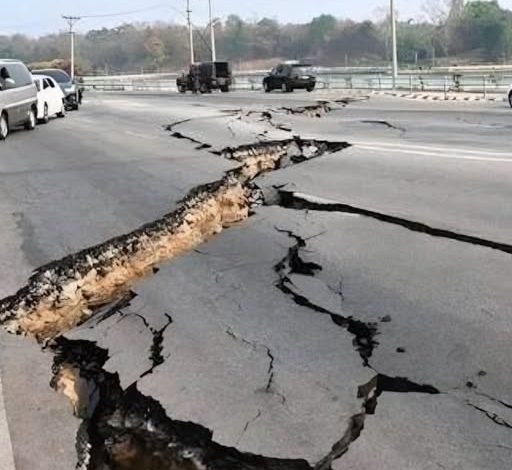
Preparedness Tips for Residents and Travelers Alike
If you find yourself in an earthquake, here are some actionable steps to follow based on official guidelines:
- Drop down to your hands and knees to prevent being knocked over. This position also allows you to crawl to safety if needed.
- Cover your head and neck under a sturdy table or desk. If no cover is available, crouch against an interior wall away from windows.
- Hold on to your shelter until the shaking stops. Be prepared for aftershocks, which can occur minutes, hours, or even days later.
- After the shaking subsides, check for injuries and damage. Use flashlights instead of matches or candles to avoid gas leaks igniting.
- If you are near the coast, move inland or to higher ground immediately, even if no official tsunami warning has been issued. Do not wait for an alert—the waves can arrive faster than authorities can broadcast warnings.
- Stay informed via a battery-powered radio or your phone (if cellular networks are still operational). Follow instructions from local authorities without hesitation.
These simple actions can dramatically improve your safety during a seismic event. But preparedness does not stop there. Consider investing in a basic earthquake preparedness kit for your home or car. Items like bottled water, non-perishable food, a multi-tool, a whistle, and copies of important documents stored in a waterproof bag can be invaluable when infrastructure is damaged.
Conclusion: Staying Vigilant in an Unpredictable World
The magnitude 7.1 earthquake near Kumamoto was a powerful reminder that nature remains unpredictable, no matter how advanced our technology becomes. Japan’s swift response—the tsunami alerts, the infrastructure inspections, the crisis coordination—helped minimize harm and kept the situation from escalating. But individual preparedness is just as important. Whether you are a local resident or a traveler exploring Japan’s beautiful southern regions, taking a few proactive steps before disaster strikes can protect you and your loved ones.
Do not wait for the ground to shake to think about safety. Take a moment today to review your emergency plans, update your travel insurance, and assemble a basic survival kit. The few minutes you invest now could save your life tomorrow. If you found this article helpful, share it with friends and family who travel to or live in earthquake-prone areas. Together, we can build a culture of preparedness that turns fear into confidence when the earth moves beneath our feet.