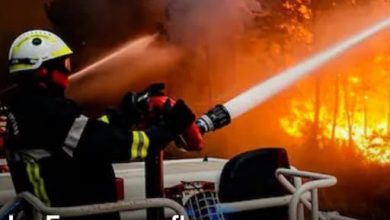
Powerful 7.1 Magnitude Earthquake Strikes Japan: Tsunami Alert and Emergency Response
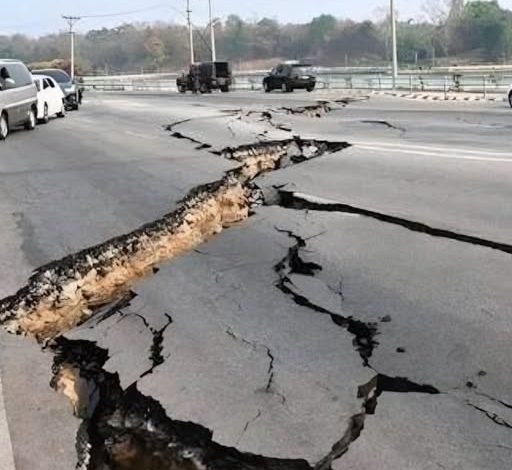
Powerful 7.1 Magnitude Earthquake Strikes Japan: Tsunami Alert and Emergency Response
Japan, a nation no stranger to the earth’s tremors, faced another significant seismic event on Tuesday, July 28, when a powerful earthquake of magnitude 7.1 shook the southern part of the archipelago. The province of Kumamoto experienced intense shaking that sent residents scrambling for safety and triggered immediate tsunami warnings along nearby coastal areas. This was not just another routine tremor—it was a stark reminder of the raw power of nature and the importance of being prepared.
The quake struck at 16:27 local time, catching many during their daily routines. The Japan Meteorological Agency (JMA) quickly reported that the earthquake had reached the highest level on Japan’s unique “shindo” intensity scale. This scale measures how strongly people feel the shaking, not just the raw magnitude of the quake, making it a more practical gauge for assessing real-world impact. Almost instantly, local authorities launched safety operations, assessing damage, checking on residents, and coordinating emergency responses. The event was a powerful demonstration of Japan’s well-rehearsed disaster protocols, but it also raised critical questions about preparedness for both residents and visitors alike.
Violent Shaking in Kumamoto: What Happened During the Quake
The epicenter of the earthquake was located in southern Japan, with Kumamoto prefecture bearing the brunt of the violent vibrations. Reports indicate that several people sustained injuries as buildings swayed and, in some cases, collapsed under the strain. The shaking was strong enough to knock items off shelves, crack walls, and send furniture sliding across floors. For those who lived through it, the experience was terrifying—a visceral reminder that Japan sits on some of the most tectonically active ground on the planet.
Prime Minister Sanae Takaichi addressed the nation promptly, announcing the formation of an emergency crisis cell to evaluate the extent of the damage and coordinate rescue and relief efforts. The speed of this response is a testament to Japan’s rigorous disaster management systems, which have been refined over decades of dealing with seismic activity. Local hospitals braced for an influx of patients, while emergency services fanned out across affected neighborhoods to check on vulnerable residents and assess structural damage.
For anyone living in or traveling to earthquake-prone regions, having a personal emergency plan is essential. Consider keeping a small emergency kit with water, non-perishable food, a flashlight, and a first-aid supplies in your home or vehicle. The few minutes it takes to prepare could make a significant difference when every second counts.