Powerful 7.1 Magnitude Earthquake Strikes Japan: Tsunami Alert and Emergency Response
Tsunami Warnings and Coastal Evacuations
Following the earthquake, the JMA quickly issued a tsunami alert for the Ariake Bay and Yatsushiro Sea regions. Specialists warned that waves could reach approximately one meter in height—enough to cause significant damage along the shoreline, sweep people off their feet, and damage small boats and coastal structures. While a one-meter tsunami might not sound catastrophic, these waves carry immense force and can travel far inland, especially in low-lying areas.
Prime Minister Takaichi urged all residents to stay away from coastal zones and to follow official evacuation instructions without hesitation. The message was clear: do not wait, do not underestimate the danger, and do not return to the coast until authorities declare it safe. The JMA predicted that the first waves could reach the shore around 17:00 local time. Japan’s public broadcaster NHK reported that waves close to the forecasted height may have already been observed in some locations, underscoring the urgency of the situation.
The French embassy in Japan also issued a statement asking French nationals in the region to follow local recommendations and stay informed through official channels. This kind of cross-border communication is vital in a globalized world where many expatriates and tourists live and travel in seismically active areas. If you are traveling abroad, always register with your country’s embassy or consulate so they can reach you during emergencies.
Transportation and Infrastructure: Disruptions and Safety Checks
One of the immediate consequences of a major earthquake is disruption to transportation networks. After the shaking subsided, the Kyushu Railway Company made the decision to suspend all train services, including the Shinkansen bullet train that connects Fukuoka to Kagoshima. These suspensions were not an overreaction—they were a necessary precaution to allow engineers to inspect tracks, bridges, tunnels, and overhead power lines for damage before allowing passengers back on board.
For travelers caught off guard by such disruptions, having flexible travel insurance is crucial. Many standard policies cover trip interruptions caused by natural disasters, including earthquakes and tsunamis. Before your next trip to a seismically active region, check your insurance coverage carefully. Are you protected if a quake derails your itinerary? Could you recoup costs for canceled hotels or alternative transport? These are questions worth answering before you leave home, not while you are stranded at a station.
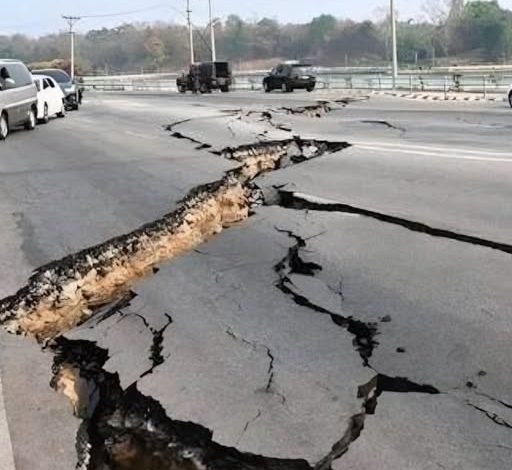
Beyond railways, roads were also affected. Emergency crews worked to clear debris, assess bridges, and reopen critical routes for ambulances and supply vehicles. In many neighborhoods, residents were advised to avoid unnecessary travel to keep roads clear for emergency responders. This kind of community cooperation is a hallmark of Japanese disaster response and something other nations can learn from.