The Mortuary Nightmare: How a Colorado Couple Hid 189 Bodies and Defrauded Grieving Families
The Mortuary Nightmare: How a Colorado Couple Hid 189 Bodies and Defrauded Grieving Families
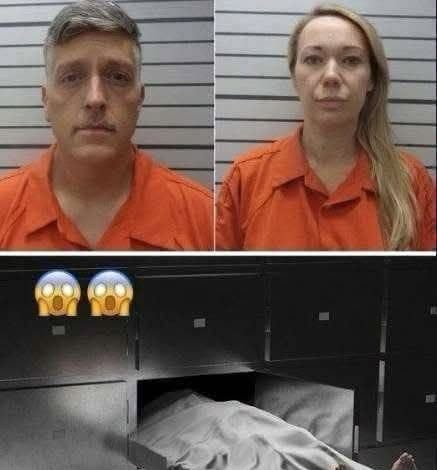
Imagine trusting a funeral home to honor your loved one’s final moments. Now imagine discovering that a couple running that business stashed nearly 200 decomposing bodies in a building without refrigeration—and handed you fake ashes while pocketing your money. This isn’t a horror movie plot. It’s the true story of John and Carie Hallford, owners of Return to Nature Funeral Home in Penrose, Colorado. Their deception has rocked the funeral industry, devastated families, and raised urgent questions about oversight and consumer protection.
The Hallfords’ case involves more than just criminal neglect. It exposes a years-long pattern of financial fraud, including stealing federal pandemic aid meant for small businesses. John received 40 years in state prison plus 20 federal years for his crimes. Carie pleaded guilty in December as part of a deal that spared her the maximum penalty. But for the families who unknowingly received cement instead of their loved ones’ ashes, no sentence can erase the pain. Let’s break down what happened, how it went unnoticed for so long, and what you can learn to protect yourself and your family from similar exploitation.
The Discovery of a Horrifying Secret
In October 2023, authorities in Fremont County, Colorado, received multiple complaints about a foul odor coming from a nondescript building on a rural road. When local law enforcement and federal agents arrived, they found what they later described as a “scene of unimaginable horror.” Inside the Return to Nature Funeral Home facility, investigators discovered 189 human remains—adults and infants—in various stages of decomposition. The building had no refrigeration system. Bodies were left at room temperature, often stacked on top of each other. Insects and decomposition fluids covered the floors.
The investigation revealed that the Hallfords had been storing these remains for nearly four years. Some families had believed their loved ones were cremated or buried after a proper service. Instead, their bodies had been left to rot in a makeshift storage unit. The search for answers led to a meticulous identification process using fingerprints, DNA, and other forensic methods. But the hardest part came next: informing families that the urns they received contained not cremains, but a substance resembling cement dust.